Horsepower and Torque Explained: What Each Number Tells You About How a Car Drives
Horsepower and torque are the two numbers quoted in every car advert, yet they describe very different things. This guide explains what each one measures, how they work together with RPM and gearing, and what they actually tell you about the way a car feels to drive.

What Is Horsepower?
Horsepower is a measure of power — the rate at which work is done. One mechanical horsepower is defined as 550 foot-pounds of work per second, a figure James Watt settled on in the late 1700s to compare the output of steam engines against draft horses.
In a car, horsepower tells you how quickly the engine can deliver energy. It is not a force; it is a rate. That distinction matters, because it means horsepower depends on both torque and engine speed. An engine that produces modest torque at very high RPM can still generate a large horsepower figure.
In imperial units the relationship is written as:
Horsepower = (Torque in lb-ft × RPM) ÷ 5252
That single formula explains most of what follows in this article. If you want to see how torque and RPM combine for a specific vehicle, the horsepower calculator works through the numbers for you.
What Is Torque?
Torque is rotational force — the twisting effort an engine applies to the crankshaft. It is usually measured in pound-feet (lb-ft) or newton-metres (Nm), and it is the raw turning effort that eventually reaches the road.
A useful way to picture the difference is a breaker bar versus a short wrench. Both can apply force, but the long bar applies far more twisting effort at the same push. Torque is that twisting effort; horsepower is how often and how quickly the engine can keep applying it.
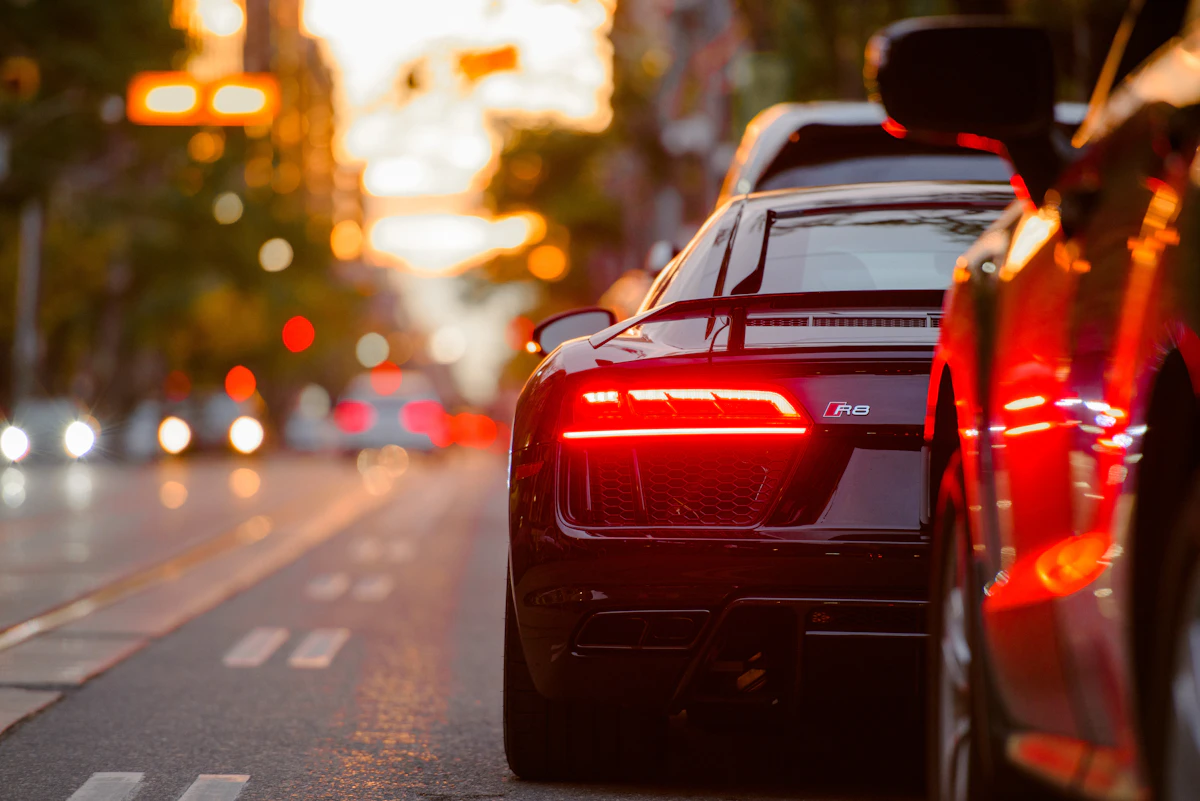
Torque is created at the crankshaft, then multiplied by the gearbox and final drive before it reaches the wheels.
How torque reaches the road
Engine torque is measured at the crankshaft, but the torque that actually reaches the wheels is multiplied by the gearbox and final drive. That is why a car with a modest torque figure can still accelerate hard — gearing multiplies whatever the engine produces.
Horsepower vs Torque
The two figures are often compared side by side, but they answer different questions. Torque describes the twisting effort available at a given moment; horsepower describes how much work the engine can sustain as engine speed rises.
| Factor | Horsepower | Torque |
|---|---|---|
| What it measures | Rate of doing mechanical work | Rotational force |
| Common units | hp | lb-ft or Nm |
| Relationship with RPM | Depends on torque and RPM | Produced across the operating range |
| Driving feel | Helps sustain acceleration as speed increases | Often contributes to strong pulling response |
| Commonly important for | Higher-speed acceleration and performance | Towing, hauling and low-speed work |
One practical detail worth remembering: when torque in lb-ft and horsepower are plotted on the same axes, the two curves always cross at 5252 RPM. That is not a coincidence — it falls directly out of the formula above, and it is a quick sanity check when you are reading a dyno graph.
Why RPM Matters
RPM — revolutions per minute — is the link between torque and horsepower. Torque without an RPM figure tells you very little, because the same torque at 2,000 RPM and at 6,000 RPM produces three times as much horsepower in the second case.
This is why specification sheets quote figures like "300 hp at 5,500 RPM" and "310 lb-ft at 2,000–4,000 RPM". The RPM at which each peak occurs tells you far more about how the car will behave than the peak number alone.
Peak numbers versus the whole curve
An engine does not make one fixed amount of torque. It makes a curve — more torque in some parts of the rev range, less in others. A broad, flat torque curve means strong, predictable response almost anywhere in the rev range. A peaky curve means the engine only feels strong in a narrow window near the top.

How Torque Changes the Way a Car Feels
Torque is the part of the equation you feel immediately. An engine with plenty of low-RPM torque pulls cleanly from low speed, holds uphill gradients without constant downshifting, and responds promptly when you press the accelerator at 1,500 RPM in a tall gear.
That is why torque is associated with everyday drivability. It is also why vehicles that work hard — pickups towing trailers, vans carrying loads, off-roaders climbing slowly — are usually specified around torque rather than peak power.
Torque delivery also shapes the character of an engine. A large naturally aspirated engine often builds torque progressively and smoothly. A turbocharged engine may deliver a sudden surge once boost arrives. Both can produce similar peak figures while feeling completely different from behind the wheel.
How Horsepower Affects Performance
Horsepower governs how much performance the engine can sustain as speed climbs. Acceleration at higher speeds demands more power because aerodynamic drag rises sharply, and because each gear multiplication becomes less favourable as you move up through the gearbox.
This is why top speed is fundamentally a horsepower figure. It is also why a car with more horsepower tends to feel stronger in the upper half of the rev range and on track, where the engine spends most of its time near the top of the rev band.

Why Two Cars With Similar Horsepower Can Feel Completely Different
Two cars can both claim 300 hp and yet feel nothing alike. Several factors explain the gap:
- Weight. Power-to-weight ratio matters more than outright power. A lighter car with the same horsepower will always accelerate harder.
- Torque curve shape. One engine may make its torque low down and pull everywhere; another may only come alive above 4,000 RPM.
- Gearing. Short ratios multiply torque more aggressively; tall ratios favour relaxed cruising and fuel economy.
- Transmission type. A fast-shifting dual-clutch or a well-calibrated automatic can transform how much of the engine's output actually reaches the road.
- Turbo lag and throttle response. The time between pressing the pedal and getting full output changes the perceived character of the car entirely.
- Drivetrain losses. All-wheel drive and automatic gearboxes sap more of the engine's output before it reaches the wheels.
This is exactly why comparing specification sheets in isolation is unreliable. A side-by-side Car vs Car comparison is a more practical way to see how two vehicles actually line up.
Why Gearing Matters
Gearing is the multiplier that sits between the engine and the road. A lower (numerically higher) gear multiplies engine torque more, which is why a car always feels more responsive in first gear than in top gear.
Close-ratio gearboxes keep the engine in its strongest part of the rev range during acceleration, which suits performance cars. Wide-ratio gearboxes allow lower cruising RPM on the motorway, which suits economy and comfort. A well-matched gearbox can make an ordinary engine feel excellent, and a poorly matched one can waste a strong engine entirely.
This is also why a car with a high peak horsepower figure can feel flat in daily driving: if the engine only makes meaningful power at high RPM and the gearing is tall, you rarely reach the part of the range where the car performs at its best.
Horsepower and Torque in Electric Cars
Electric motors behave differently from combustion engines in one important way: they produce their maximum torque from zero RPM. There is no idle speed to build from and no waiting for the engine to reach a power band — the pull is available the instant you press the accelerator.
That is why even modest electric cars feel quick away from a standstill. It is also why many EVs use a single-speed transmission: with usable torque available across the whole speed range, there is far less need for multiple ratios.
Instant torque, single-speed simplicity
Horsepower still matters in an EV, particularly for sustained high-speed performance where motor RPM and battery output become limiting factors. But the everyday sensation of an electric car is dominated by torque delivery, not by its peak power figure.
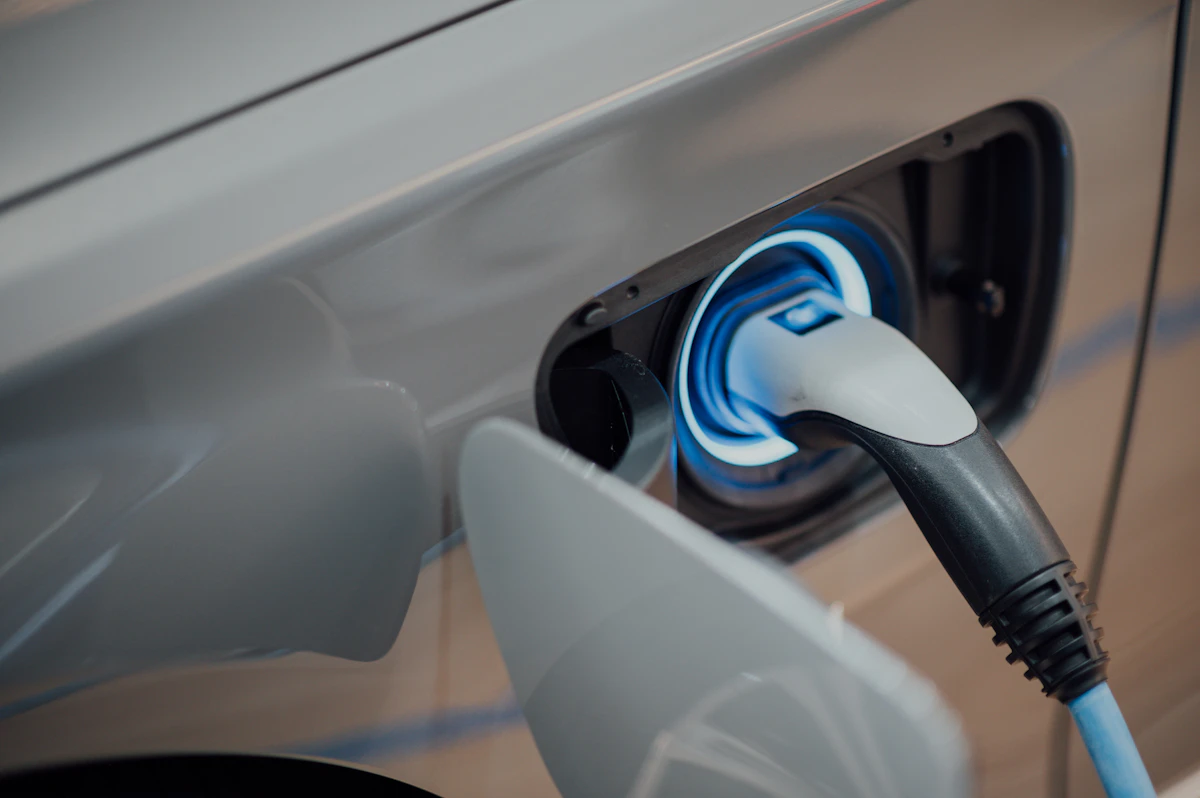
Electric motors deliver maximum torque from zero RPM, so an EV pulls hard immediately — no rev range required.
Real-World Examples
The way horsepower and torque are balanced changes completely depending on what the vehicle is built to do.
- Small turbocharged hatchback. Modest peak power with a useful spread of low-RPM torque. Easy around town, economical on a run, but runs out of pull at higher speeds.
- Large diesel pickup or SUV. High torque at low RPM with comparatively modest horsepower. Built for towing and hauling rather than outright pace.
- Naturally aspirated sports car. Power that builds towards a high redline, with a torque curve that rewards revving the engine out. Feels rewarding when driven hard, quieter in normal driving.
- Electric family car. Instant torque and a flat delivery curve. Rapid from a standstill, with a single-speed transmission doing the work.
You can explore how these different approaches play out across body styles and segments by browsing cars by type, or by looking through the full All Cars index to compare how manufacturers balance the two figures.
If you simply want to see a variety of vehicles and their specifications side by side, the Car Spinner is a quick way to shuffle through different models and see how the numbers vary in practice.
Which Matters More: Horsepower or Torque?
Neither figure is universally more important — it depends entirely on what you want from the car.
- For towing, hauling and relaxed daily driving: torque, and especially low-RPM torque, matters most.
- For top speed and sustained high-speed performance: horsepower is the limiting factor.
- For overall acceleration: the power-to-weight ratio and the shape of the torque curve together matter more than either peak number.
In practice, a broad torque curve combined with adequate horsepower is what makes a car feel quick and easy in everyday driving. A high peak horsepower figure with a narrow power band is exciting when you push it, but less useful the rest of the time.
How to Read a Car Specification Sheet
When you look at a spec sheet, read past the headline numbers and check the detail around them:
- Peak horsepower and the RPM it arrives at. A figure quoted at 6,500 RPM means the engine needs revving to deliver it.
- Peak torque and the RPM range it covers. A wide range — for example 2,000–4,500 RPM — signals flexible, easy performance.
- Kerb weight. Without it, the power and torque figures have no context.
- Transmission type and number of ratios. This determines how much of the engine's output you actually get to use.
- Drivetrain layout. Front, rear or all-wheel drive changes how the car puts its output down.
Reading those details together gives you a realistic picture of how a car will drive long before you get behind the wheel. To browse and compare a wide range of vehicles quickly, try the Random Car Generator.
Frequently Asked Questions
Is horsepower or torque more important?
Neither is universally more important — it depends on what you want from the car. Torque is what you feel when you accelerate from low speed or pull a load, while horsepower determines how much performance the engine can sustain as speed rises. For everyday driving, a broad, flat torque curve usually matters more than a big peak horsepower number.
Does more torque mean a faster car?
Not on its own. Torque is multiplied by gearing before it reaches the wheels, so a car with modest engine torque and short gearing can accelerate harder than a car with more torque and tall gearing. Weight also plays a large part: power-to-weight ratio is usually a better predictor of acceleration than torque alone.
Why do diesel engines usually make more torque than petrol engines?
Diesel engines typically run higher compression ratios and burn their fuel more slowly, which suits them to producing strong torque at low RPM. That low-speed pull is why diesel engines are common in towing and hauling applications, even when their horsepower figures are modest.
Do electric cars have torque?
Yes. Electric motors produce maximum torque from zero RPM, so an EV pulls strongly from a standstill without waiting for the engine to rev. Many EVs also use a single-speed transmission, which means that instant low-speed torque is available at any speed.
Can a car have high horsepower and low torque?
Yes. Horsepower is a product of torque and RPM, so an engine that revs very high can make a lot of horsepower from relatively little torque. Motorcycle engines and high-revving naturally aspirated sports engines are good examples.
How do I compare horsepower and torque between two cars?
Compare power-to-weight ratios rather than peak figures alone, then look at where each engine makes its torque. A car that produces most of its torque low in the rev range will feel stronger around town, while one that makes its power high up will feel quicker when you drive it hard.
Final Takeaway
Torque is the twisting force an engine produces, and horsepower is how quickly that force can be turned into work as engine speed rises. RPM connects the two, gearing multiplies whatever the engine makes, and weight decides how much of it you actually feel.
If you remember one thing, make it this: peak numbers are only a starting point. The shape of the torque curve, the RPM at which each peak arrives, the gearing and the weight of the car together determine how it drives. Read those figures together, and a specification sheet becomes far more useful than a single headline horsepower number.